
How Bayahíbe Has Developed: Infrastructure, Tourism Growth, and Population Expansion in the Dominican Republic
Explore how Bayahíbe transformed from a small fishing village into a growing tourism destination with modern infrastructure, new developments, and a rising population.
BLOG
5/9/202613 min read
Introduction to Bayahíbe: From Fishing Village to Tourism Hub
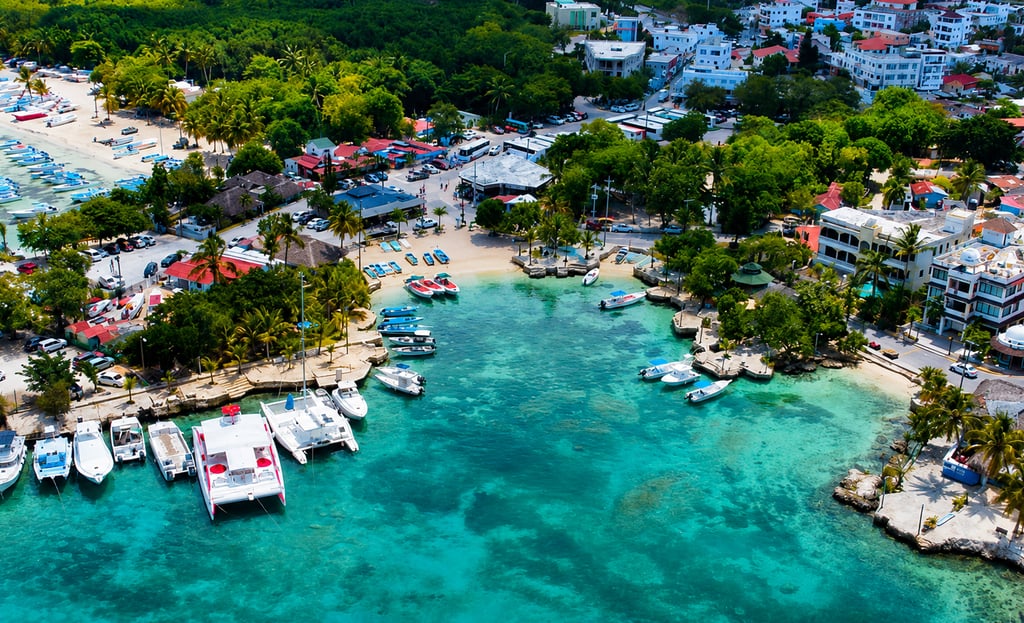
Bayahíbe, located on the southeastern coast of the Dominican Republic, is a picturesque village that has undergone a significant transformation over the decades. Originally a humble fishing village, Bayahíbe has developed into a vibrant international tourism hub, attracting visitors from around the globe. The village’s strategic geographic location, nestled between the Caribbean Sea and lush landscapes, has played a pivotal role in its evolution.
The transformation of Bayahíbe can be traced back to the mid-20th century when its pristine beaches and natural beauty began to attract attention. The local economy, which was once solely reliant on fishing and agriculture, started to diversify as tourism emerged as a viable source of income. The construction of resorts and hotels in the area has not only enhanced the local infrastructure but has also created jobs and stimulated economic growth.
Several factors contributed to the rise of Bayahíbe as a premier tourist destination. Its proximity to the stunning National Park of the East, famous for its diverse marine life and coral reefs, has made it a popular base for diving and snorkeling enthusiasts. Additionally, the crystal-clear waters and scenic beaches present an idyllic setting for relaxation and recreation. As the demand for sustainable tourism increased, the village adapted, preserving its natural beauty while accommodating the influx of tourists.
Today, Bayahíbe stands as a testament to the potential of rural communities to develop dynamically while maintaining their cultural and historical essence. The blend of its rich heritage and modern tourism facilities has positioned Bayahíbe as a focal point in the Dominican Republic’s tourism landscape, showcasing how small fishing villages can reinvent themselves in the face of global tourism trends.
Historical Context: Bayahíbe Before Tourism Development
Bayahíbe, a coastal village in the Dominican Republic, has a rich historical context that predates its emergence as a tourist destination. In the early days, the settlement was primarily inhabited by fishermen and small-scale farmers. The local economy depended largely on the fishing of conch, lobster, and various fish species, which were not only vital for sustenance but also contributed to the community's cultural identity.
Community life in Bayahíbe revolved around traditional practices and customs that were deeply rooted in the local culture. The village served as a gathering point for families and a hub for local artisans who crafted goods reflective of the Dominican heritage. There was a strong emphasis on communal values, with festivals and religious observances acting as focal points for social interaction and cultural expression.
Despite its cultural richness, Bayahíbe faced various limitations that hindered its growth. Geographic isolation posed significant challenges, making access to larger cities difficult. This lack of infrastructure restricted the movement of goods and hampered economic expansion. Additionally, the village was not well-known beyond its local sphere, which limited external investment and development opportunities.
Environmental factors also played a role in shaping Bayahíbe's pre-tourism history. The natural resources of the area, while a source of livelihood, were vulnerable to over-exploitation and ecological degradation. This duality in dependence on the environment highlighted the balance that residents had to maintain between sustainable practices and economic necessity.
In summary, the historical context of Bayahíbe reveals a community rich in culture and tradition, yet challenged by factors that limited its development. The early lifestyle of its inhabitants, focused on fishing and agriculture, creates a stark contrast to the vibrant tourism economy that would eventually transform the village.
Economic and Social Growth Driven by Tourism
The growth of tourism in Bayahíbe has served as a catalyst for both economic and social improvements in the town. With its breathtaking beaches and vibrant culture, Bayahíbe has positioned itself as a prime destination within the Dominican Republic. As a result, there has been a significant increase in employment opportunities, catering to a variety of sectors including hospitality, transportation, and food services. Local residents have found jobs in hotels, restaurants, and tour companies, transforming the workforce landscape of the region.
Additionally, the influx of capital stemming from tourist spending has bolstered the local economy. This influx not only generates revenue for existing businesses but also encourages entrepreneurship. Local entrepreneurs have established establishments that cater specifically to visitors, such as souvenir shops, adventure tour companies, and authentic Dominican dining experiences. Such developments have not only met the needs of tourists but have also contributed to the diverse economic fabric of Bayahíbe.
As businesses expand, there is also a notable rise in community development initiatives aimed at improving social infrastructure. The local government, supported by private investments, has initiated projects that enhance public spaces, improve transportation systems, and address the need for better healthcare and education facilities. These initiatives are a direct response to tourism growth; they reflect a commitment to not only welcoming visitors but also ensuring the sustainable progress of the local community.
Socially, tourism has fostered a greater sense of identity and pride among residents. Cultural festivals and community events celebrating local traditions have gained prominence, offering both locals and tourists a platform for engagement and interaction. Consequently, the symbiotic relationship between tourism and community development has ushered in a new era for Bayahíbe, where the legacies of its rich culture and natural beauty are preserved and celebrated.
Infrastructure Development and Its Impacts
The development of infrastructure in Bayahíbe has played a pivotal role in shaping its growth trajectory, particularly in terms of enhancing accessibility and supporting the burgeoning tourism sector. The establishment of improved road networks has significantly facilitated the movement of both residents and visitors, effectively linking Bayahíbe to major cities and other key destinations within the Dominican Republic. Additionally, the expansion of transportation services, including shuttles and taxi services catering specifically to tourists, has promoted greater ease of travel, thereby encouraging a steady influx of visitors throughout the year.
Moreover, the hospitality industry in Bayahíbe has witnessed substantial advancements, with new hotels and resorts emerging to accommodate the increasing number of tourists. These establishments not only provide essential lodging options but also generate employment opportunities for the local population, thus contributing to economic stability and growth. The enhancement of hospitality services is complemented by the development of recreational facilities and attractions that cater to various interests, ranging from water sports to cultural experiences, all of which play a crucial role in appealing to a diverse array of tourists.
In terms of essential services, improvements in utilities such as water, electricity, and waste management have been paramount for both residents and tourists alike. The local government has invested in modernizing these services to meet the growing demands that come with increased population and tourism. As a result, residents benefit from a higher quality of life while visitors enjoy a more pleasant vacation experience. This symbiotic relationship between infrastructure development and overall community welfare highlights the importance of continued investment in Bayahíbe's infrastructure, as it cultivates an environment conducive to both resident satisfaction and tourist attraction.
The Allure of Saona Island and International Tourism
Saona Island, renowned for its exquisite beaches and crystal-clear waters, holds a significant position within the tourism framework of Bayahíbe. This idyllic island, situated off the southeastern coast of the Dominican Republic, has become a sought-after destination for both local and international visitors. The allure of Saona Island is primarily attributed to its stunning natural beauty, vibrant marine life, and the seclusion it offers away from the more bustling tourist spots.
Excursions to Saona Island are immensely popular, often forming an essential part of the tourist experience in Bayahíbe. These excursions typically include a combination of beach activities, snorkeling, and opportunities to indulge in the local cuisine. Tour operators offer a variety of packages that cater to diverse preferences—ranging from private boat rentals for couples seeking romantic getaways to group tours perfect for families and friends. The demand for these excursions has not only elevated the status of Bayahíbe as a premier destination but has also fostered economic growth within the community.
As the popularity of Saona Island continues to rise, it enhances Bayahíbe's reputation on an international scale. Travelers from various corners of the globe are increasingly drawn to this region, largely due to the unique experiences offered through Saona Island tours. Moreover, such excursions significantly contribute to the local economy, generating revenue that further supports infrastructure development and enhances the quality of life for residents. The synergy of natural beauty and cultural richness within such tourism packages plays a pivotal role in attracting new visitors, thus perpetuating a cycle of growth and investment in Bayahíbe.
Real Estate Boom and Population Growth
The stunning coastal community of Bayahíbe in the Dominican Republic has experienced a significant surge in its real estate market over the past few years. This transformation is largely attributed to the influx of foreign investment, as well as internal migration from various parts of the Dominican Republic. As the region gains recognition for its picturesque landscapes and vibrant culture, individuals and families are increasingly drawn to the area, seeking both a permanent residence and investment opportunities.
The shift in real estate dynamics has been notable. Developers from around the world are recognizing Bayahíbe's potential, leading to the construction of luxury villas, condominiums, and hotels that cater to both domestic and international buyers. This boom is not merely economic; it reflects a broader social change. The growth in the real estate sector is directly linked to the improvement of living conditions in the region. With enhanced amenities and infrastructure, Bayahíbe has become a more attractive location for people considering relocation.
In addition to foreign buyers, there is a noticeable increase in Dominican citizens moving to Bayahíbe in pursuit of better lifestyle options. Many locals from urban centers are transitioning to coastal living, enticed by the promise of a slower pace of life and the opportunity to engage in tourism-related employment due to Bayahíbe's growing reputation as a travel destination. This internal migration plays a crucial role in the steady population growth of the area, which contributes to a more diverse community.
Furthermore, the robust real estate development impacts local economies significantly. More residents lead to increased demand for goods and services, creating jobs and fostering entrepreneurship. As real estate trends continue to evolve, Bayahíbe may well become a model for similar regions looking to balance growth and sustainability, reflecting the changing desires and opportunities for those who call it home.
Marine Tourism and Environmental Conservation
Bayahíbe, a picturesque village on the southeastern coast of the Dominican Republic, has gained notable prominence as a hub for marine tourism. This growth can be attributed to the region's stunning natural beauty, which includes captivating underwater landscapes and diverse marine life. Activities such as diving, snorkeling, and eco-tourism not only attract tourists but also emphasize the importance of environmental conservation in maintaining the area's ecological integrity. Marine tourism plays a pivotal role in the local economy, providing livelihoods for many residents while promoting awareness of sustainable practices.
A cornerstone of Bayahíbe's marine tourism is its proximity to Cotubanamá National Park, a protected area renowned for its rich biodiversity and stunning coral reefs. This national park serves as a sanctuary for various species, including endangered turtles and colorful fish that draw in tourists from around the world. Visitors engage in various activities, such as guided snorkeling and diving tours that allow them to explore the vibrant ecosystems without causing significant harm to the environment. Ultimately, such responsible tourism practices help ensure the preservation of the natural resources that entice visitors to the region.
In addition to Cotubanamá National Park, numerous conservation efforts have been initiated to protect the marine habitat of Bayahíbe. Local organizations and government entities collaborate on projects aimed at reducing marine pollution, promoting sustainable fishing practices, and conducting educational programs for both locals and tourists. These initiatives not only contribute to the conservation of marine biodiversity but also encourage visitors to engage more thoughtfully with the environment. Consequently, the interplay between marine tourism and conservation in Bayahíbe exemplifies a model for how tourism can be leveraged to foster awareness and encourage protective measures toward natural resources.
Challenges and Opportunities of Rapid Tourism Growth
The rapid growth of tourism in Bayahíbe presents a complex interplay of significant opportunities and notable challenges. On one hand, the influx of tourists contributes substantially to the local economy. Local businesses, from restaurants to souvenir shops, thrive on the increased foot traffic, creating jobs and stimulating economic development. The tourism sector is a vital revenue stream that aids in infrastructural improvements and public services, ultimately elevating the standard of living for residents.
However, this expansion is not without its drawbacks. One pressing challenge is the environmental pressure that often accompanies increased tourist activity. The pristine beaches and natural resources that attract visitors are at risk due to over-exploitation, pollution, and habitat destruction. The balance of maintaining Bayahíbe's natural beauty while accommodating a rising number of visitors is a delicate task that requires well-planned strategies and policies.
Increased demand for housing is another concern linked to tourism growth. As more tourists visit Bayahíbe, the population is swelling, leading to a rise in property prices and housing shortages for locals. This situation can result in potential displacement of the long-term residents and alter the community fabric. Moreover, the pressure on local infrastructure, such as roads and waste management systems, can lead to significant strain and potential degradation of services.
Despite these challenges, there are numerous opportunities for sustainable tourism development in Bayahíbe. By implementing responsible tourism practices, the community can capitalize on its unique offerings while mitigating negative impacts. Initiatives that promote eco-tourism, community involvement, and conservation can ensure that tourism benefits both the economy and the local populace. Ultimately, finding this balance will dictate the future of Bayahíbe as a thriving tourism destination.
Why Bayahíbe Is a Preferred Destination
Bayahíbe, a picturesque village located on the southeastern coast of the Dominican Republic, has steadily gained popularity among travelers and investors alike. Unlike the bustling resort towns that are often overcrowded, Bayahíbe offers a unique charm that appeals to those seeking a tranquil getaway. Its laid-back atmosphere and breathtaking natural scenery create an idyllic setting for visitors, making it a preferred destination for many.
The community feel in Bayahíbe is particularly noteworthy. The village is home to friendly locals who take pride in their heritage and work to preserve the area's cultural identity. This creates an inviting atmosphere for tourists, encouraging interactions that enhance the overall travel experience. Visitors can enjoy authentic Dominican cuisine at local eateries or participate in community events, allowing them to immerse themselves in the rich traditions and warm hospitality of Bayahíbe.
Sustainable tourism is also a cornerstone of Bayahíbe's appeal. Unlike larger resort areas that often prioritize rapid development, Bayahíbe has embraced initiatives that promote environmental conservation and responsible tourism practices. This commitment not only protects its stunning natural resources, such as pristine beaches and coral reefs, but also attracts eco-conscious travelers. Visitors can participate in various eco-friendly activities, including snorkeling, diving, and exploring the nearby national parks, which highlight the area’s biodiversity.
In conclusion, the combination of Bayahíbe’s charm, its strong community ties, and a commitment to sustainable tourism makes it an increasingly attractive choice for both tourists and investors. As more people recognize the advantages of choosing smaller, less crowded destinations, Bayahíbe is poised to continue its growth as a preferred location in the Dominican Republic.
Future Prospects for Bayahíbe: Opportunities Ahead
Bayahíbe, situated on the southeastern coast of the Dominican Republic, has undergone significant transformations in recent years, positioning itself as a prominent tourist destination. The future holds promising opportunities for the development of Bayahíbe, particularly in the realms of tourism growth, infrastructure enhancement, and community engagement. As the demand for eco-tourism and sustainable travel options continues to rise, Bayahíbe is well-prepared to meet these needs.
One of the primary prospects for Bayahíbe lies in the expansion of its tourism offerings. With its stunning beaches, vibrant marine life, and proximity to the renowned Parque Nacional del Este, the region is poised to attract a growing number of international visitors. Potential developments may include the introduction of new luxury resorts, boutique hotels, and enhanced recreational facilities that cater to both families and adventure seekers. Such initiatives would not only improve the economic landscape but also promote Bayahíbe as a leading eco-friendly destination in the Caribbean.
Moreover, the enhancement of infrastructure is crucial for accommodating increased tourist influx. The government and local stakeholders are likely to focus on upgrading transportation networks, including roads and public transit systems, to facilitate easy access to key attractions. Additionally, investment in utilities, such as water and electricity infrastructure, will be essential in supporting both residents and the anticipated tourism growth.
Community initiatives are expected to play a vital role in shaping the future of Bayahíbe. Engaging local populations in sustainable tourism practices ensures that development benefits the community and preserves cultural heritage. Educational programs, workshops, and local markets that promote artisanal crafts can foster economic empowerment while enhancing the overall visitor experience.
As Bayahíbe continues to evolve, the convergence of these factors will pave the way for sustained growth, ensuring the region remains a dynamic and thriving destination for years to come.
Frequently Asked Questions About Bayahíbe
Bayahíbe, a picturesque village on the Dominican Republic’s southeastern coast, has become a premier destination for tourists seeking both relaxation and adventure. As interest in this vibrant locale has surged, numerous inquiries have emerged regarding various aspects of visiting and residing in Bayahíbe.
One of the primary concerns for potential visitors is safety. Overall, Bayahíbe is considered safe for tourists, with low crime rates contributing to its appeal. However, common travel precautions should still be observed, such as keeping belongings secure and remaining aware of one’s surroundings. Following local regulations and customs will further enhance safety.
Regarding living conditions, Bayahíbe offers a unique blend of local culture and modern amenities. Many expatriates have found it an attractive location for retirement or long-term residence, thanks to its warm climate, friendly community, and access to essential services. The cost of living in Bayahíbe is relatively lower compared to larger cities in the Dominican Republic, making it an appealing choice for individuals seeking a more economical lifestyle while enjoying a scenic environment.
For those interested in investment opportunities, Bayahíbe’s development trajectory presents numerous prospects. The ongoing growth of tourism has spurred demand for accommodations, restaurants, and other businesses catering to visitors, drawing attention from both local and foreign investors. Real estate investments in the area could prove lucrative, particularly with the anticipated increase in tourist arrivals.
In summary, Bayahíbe offers a combination of safety, agreeable living conditions, and promising investment avenues. As it continues to develop, the village remains committed to enriching the experiences of its residents and visitors alike.
Conclusion: Bayahíbe as a Growing Coastal Destination
In recent years, Bayahíbe has established itself as more than just a picturesque resort town in the Dominican Republic; it has emerged as a significant hub for tourism, infrastructure development, and population growth. The town's evolution reflects the Dominican Republic's commitment to enhancing its coastal attractions, catering to both locals and visitors alike.
The improvements in infrastructure are pivotal to Bayahíbe's transformation. The enhancements made to roads, communication systems, and public amenities have contributed to an environment that is both accessible and welcoming. These developments not only benefit tourists but also enhance the quality of life for residents, promoting a sustainable community. As the infrastructure continues to evolve, so does the potential for economic growth within the area.
Tourism growth has been one of the most significant factors in Bayahíbe's development. With its beautiful beaches, rich culture, and proximity to attractions such as Saona Island, the town has become a favorite among travelers. The increase in tourist arrivals has led to a proliferation of hotels, restaurants, and recreational activities, ultimately diversifying the local economy. This tourism boom is not merely an economic statistic; it embodies the transformation of Bayahíbe into a vibrant community that embraces both its cultural heritage and modern advancements.
Furthermore, the population expansion observed in the area highlights Bayahíbe's attractiveness as a viable place to live and work. The influx of new residents indicates that people are recognizing the unique opportunities available in this coastal destination. As the community grows, it fosters a melting pot of cultures and ideas, contributing to a rich social fabric.
Ultimately, Bayahíbe stands as a testament to the ability of coastal regions to evolve and adapt. Its journey from a tranquil fishing village to a significant travel destination underscores the importance of strategic planning and community engagement in harnessing the region's full potential for both tourism and residential growth.
Contact
Contact Saona Travelers agents to learn more about the tours.
Email:
Phone:
+18098533426
© 2026. Saona Travelers by Booking Adventures All rights reserved.
Connect with us on: