
Bayahibe at the Center of a New Debate: Beach Access, Tourism Development, and Property Rights
Explore the Bayahibe beach access dispute with an impartial investigation examining the community's concerns, tourism development, property rights, and public access.
BLOG
7/8/20263 min read
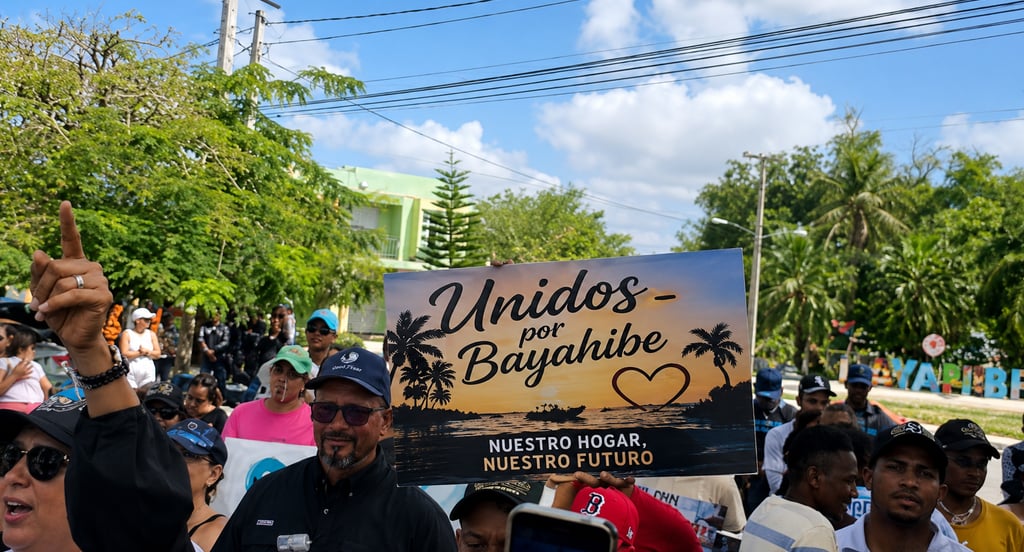
In recent weeks, the coastal community of Bayahibe, Dominican Republic, has become the focus of public demonstrations organized by residents, fishermen, tour operators, local business owners, and community organizations. The protests oppose what participants describe as an attempt to restrict public access to one of the area's beaches, reigniting a broader debate that many coastal destinations face: How can tourism development be balanced with the public's right to access and enjoy coastal areas?
What Happened?
At the end of May 2026, dozens of community members gathered in peaceful demonstrations to express concerns over a proposed tourism development that, according to protest organizers, could affect traditional public access to the beach and alter an area that has been used by residents and visitors for generations.
The demonstrations brought together fishermen, excursion operators, tourism professionals, merchants, and local residents who consider the beach an essential part of Bayahibe's cultural and economic identity.
The community's main requests include:
Preserving free public access to the beach.
Protecting mangroves and the surrounding coastal ecosystem.
Ensuring that any tourism development respects public spaces.
Requesting greater transparency regarding permits and future development plans.
The Community's Perspective
Those participating in the demonstrations argue that the beach represents much more than a tourist attraction.
For local fishermen, it is part of their daily livelihood. For tour operators, it serves as an important departure point for excursions to Saona Island and other marine activities. For residents, it is a public space deeply connected to the history and identity of Bayahibe.
Community leaders fear that a private development could reduce or complicate traditional public access, even if the beach itself legally remains public property. Protesters are also calling on government authorities to provide clear information regarding permits, environmental approvals, and the overall scope of the proposed project.
The Perspective of the Property Owner or Developer
As of the publication of this article, no widely available public statement from the property's owner or the project's developer has been identified responding directly to the demonstrations.
However, from a legal and economic perspective, private landowners generally have the right to develop their property, provided they comply with Dominican law, obtain the necessary environmental and construction permits, and respect applicable regulations governing coastal areas.
Tourism development has long been one of the Dominican Republic's primary economic drivers, generating employment, investment, infrastructure, and business opportunities across many coastal communities.
If the project proceeds with the required approvals, its developers could reasonably argue that it would:
Create new jobs.
Attract private investment.
Strengthen the local tourism industry.
Generate additional economic activity for the region.
At this time, however, these general arguments should not be attributed to any specific individual or company, as no official public position has been identified.
Can a Beach Be Privatized in the Dominican Republic?
Under Dominican law, beaches generally form part of the public domain and are intended to remain accessible to the public.
While individuals or companies may own land adjacent to the shoreline, public access to the beach itself is generally protected under Dominican legislation. How that access is maintained may depend on property boundaries, environmental regulations, and decisions made by the appropriate government authorities.
Questions That Remain Unanswered
The ongoing controversy highlights several important questions that have yet to receive clear public answers:
Which specific parcel of land is involved?
Who is the registered owner of the property?
Has an environmental permit been issued?
Were local residents consulted before the project moved forward?
How will public access to the beach be guaranteed if development proceeds?
Greater transparency through publicly available documentation would help clarify these issues and encourage a discussion based on verified facts rather than speculation.
A Debate Beyond Bayahibe
The situation in Bayahibe reflects a challenge faced by many tourism destinations around the world: balancing private investment with environmental conservation and the protection of public spaces that communities have traditionally enjoyed.
Residents emphasize preserving public access, protecting natural resources, and maintaining the character of their community. Tourism developers, on the other hand, often point to economic growth, job creation, and increased investment as key benefits of new projects.
Ultimately, the responsibility lies with public institutions to ensure that any development complies with Dominican law, protects the environment, respects legitimate property rights, and safeguards the public interest.
As the discussion continues, official documentation, government decisions, and transparent communication will play a critical role in determining the future of this important area of Bayahibe.
Contact
Contact Saona Travelers agents to learn more about the tours.
Email:
Phone:
+18098533426
© 2026. Saona Travelers by Booking Adventures All rights reserved.
Connect with us on: