
Ultimate Guide to Exploring Cotubanamá National Park: Saona Island and Padre Nuestro
Explore Cotubanamá National Park, Saona Island, and Padre Nuestro with top things to do: beaches, cenotes, snorkeling, hiking, and eco adventures in the Dominican Republic.
BLOG
5/4/20268 min read
Introduction to Cotubanamá National Park
Cotubanamá National Park, famously recognized for its stunning natural beauty, is located in the southeastern region of the Dominican Republic. This protected area is often referred to as Cotubanamá National Park, named after the Taíno chief of the region, and covers approximately 40,000 acres of pristine tropical terrain. The national park stands as a vital representative of the Dominican Republic's diverse ecosystem, not only showcasing a variety of flora and fauna but also embodying the rich biodiversity characteristic of the Caribbean.
As a prominent destination for both adventure tourism and eco-tourism, Cotubanamá National Park attracts visitors seeking an immersive experience in nature. The park is particularly notable for its harmonious blend of ecological preservation and recreational activities, allowing tourists to explore its unique landscapes while promoting environmental respect and sustainability. Amidst its natural attractions, the park is home to Saona Island, a haven of pristine beaches and crystal-clear waters, providing visitors with opportunities for swimming, snorkeling, and enjoying the picturesque coastline.
In addition to Saona Island, the ecological trails of Padre Nuestro present an alluring invitation for hiking enthusiasts. These trails wind through lush vegetation and lead visitors to breathtaking views, offering a glimpse into the vibrant ecosystems from mangroves to limestone caves. The intertwining of adventure and ecology here further highlights the park’s role as a sanctuary for both wildlife and tourists. The combination of diverse landscapes and enriching experiences makes Cotubanamá National Park an essential destination for nature lovers and those pursuing outdoor adventures. A journey through this national park promises not only thrills but also a deeper understanding of the incredible ecological heritage of the Dominican Republic.
Highlights of Saona Island
Saona Island, a gem within Cotubanamá National Park, is renowned for its breathtaking landscapes and ecological richness. Visitors are greeted by pristine beaches adorned with soft, white sand and crystal-clear turquoise waters, making it an ideal location for relaxation and enjoyment. The untouched beauty of Saona Island serves as a perfect backdrop for various recreational activities, including swimming, sunbathing, and snorkeling.
Snorkeling enthusiasts will find the vibrant coral reefs teeming with diverse marine life, offering an opportunity to observe colorful fish and other aquatic organisms in their natural habitat. The shallow waters along the coast create serene natural pools, where families and individuals can happily play or simply soak in the sun. Sunbathing on the beach allows one to immerse in the tranquil atmosphere, with gentle sea breezes enhancing the overall experience.
Saona Island is not only a beach paradise but also a critical area for biodiversity. The island is home to several unique flora and fauna, many of which are endemic to the region. The lush mangroves and palm trees foster an ecosystem that supports numerous bird species, including migratory birds visiting during different seasons. This remarkable biodiversity highlights Saona Island's environmental significance and underlines the importance of conservation efforts within Cotubanamá National Park.
Fun facts about Saona Island include its historical significance as a part of the Hispaniola, where indigenous Taino communities once thrived. Additionally, the island plays a crucial role in eco-tourism, providing a sustainable avenue for visitors to connect with nature while promoting wildlife conservation. Whether visitors are seeking adventure or relaxation, Saona Island offers a diverse array of activities that contribute to its allure within the greater context of Cotubanamá National Park.
Ecological Trails of Padre Nuestro
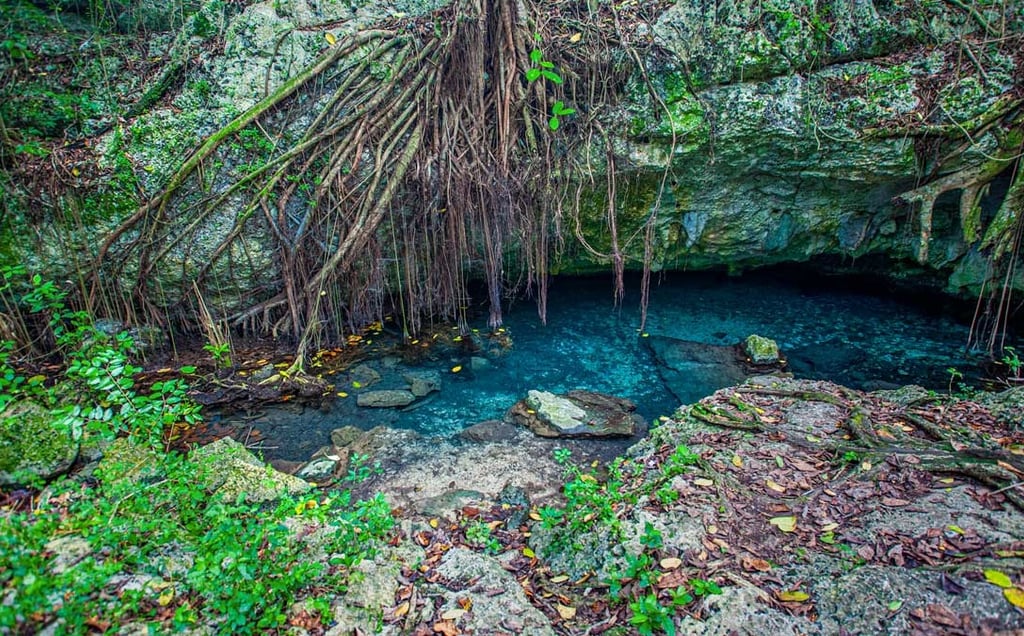
The Padre Nuestro area within Cotubanamá National Park offers a network of ecological trails that provide a unique opportunity for outdoor enthusiasts to explore the region's diverse natural resources. These trails weave through lush tropical forests, leading hikers to awe-inspiring cenotes and vibrant freshwater ecosystems. As visitors embark on these hiking journeys, they encounter a rich tapestry of flora and fauna, highlighting the ecological significance of this habitat.
One of the notable features of the Padre Nuestro trails is the accessibility they provide to cenotes—natural sinkholes filled with freshwater. These geological formations not only serve as stunning natural landmarks but also support a variety of aquatic life, including freshwater fish, amphibians, and numerous plant species, underscoring the importance of preserving these delicate ecosystems. The trails offer prime opportunities for wildlife spotting; it is common to encounter a range of species such as colorful birds, lizards, and even monkeys, enriching the hiking experience.
Preserving the natural beauty and ecological integrity of Padre Nuestro is paramount. The unique environments along these trails are vulnerable to degradation, making responsible exploration vital. Visitors are encouraged to practice eco-conscious behaviors by staying on designated paths, avoiding littering, and minimizing noise to respect the wildlife inhabitants. By being mindful of their environmental footprint, hikers can enjoy the pristine landscapes while contributing to the conservation efforts of the park.
Ultimately, the ecological trails in the Padre Nuestro area serve not only as avenues for recreation but also as educational pathways that foster a deeper appreciation for the natural world. Through responsible exploration, visitors can engage with the enchanting ecosystems and support ongoing efforts to preserve these remarkable habitats for future generations.
Snorkeling and Coral Reef Experiences
Snorkeling at Saona Island offers an unparalleled opportunity to explore the rich marine biodiversity beneath the waves. The vibrant coral reefs surrounding the island are a haven for a variety of marine life, including colorful fish, sea turtles, and even the occasional dolphin. These ecosystems provide not only a stunning visual treat but also a chance to understand the vital roles that coral reefs play in ocean health.
For beginners, snorkeling can be an exhilarating yet daunting experience. It is essential to familiarize oneself with the proper techniques, such as how to clear the snorkel and equalize pressure, to enhance safety and enjoyment. Start in shallower waters to gain confidence before venturing into deeper areas. Adequate training is crucial; therefore, engaging in a guided snorkeling tour can be beneficial. These tours often include educational components that explain local marine life and coral ecology.
Safety measures should always be a priority while snorkeling. Always wear a life jacket, especially if you are unfamiliar with snorkeling practices, and make sure to inform your guide of any health concerns. It's also advisable to avoid touching the coral, as this can damage the delicate ecosystems. Rent snorkel gear from reputable providers, ensuring everything fits comfortably and is in good condition. Many operators offer the complete package, including masks, fins, and wetsuits, to enhance your snorkeling experience.
Throughout your snorkeling adventure, expect to encounter an array of vibrant, tropical fish species such as parrotfish, angelfish, and sergeant majors, all thriving among the coral formations. It is this rich tapestry of marine life that makes snorkeling at Saona Island an unforgettable experience, showcasing the importance of coral reefs in maintaining healthy oceans.
Cultural Experiences and Taino History
Cotubanamá National Park, encompassing the enchanting landscapes of Saona Island and the lush Padre Nuestro, offers visitors a rich tapestry of cultural experiences deeply woven into the history of the Taíno people. The Taínos, the indigenous inhabitants of the Caribbean, significantly shaped the cultural heritage of this region, making it a vital aspect of exploring the park.
As you traverse the trails of the national park, the legacy of the Taíno civilization comes alive through various significant sites. Visitors can engage with local guides who share expertise on the Taíno people's historical context, their sustainable practices, and the invaluable wisdom that has been passed down through generations. These guided tours provide an in-depth understanding of Taíno life, including their methods of agriculture, fishing, and artistry.
One of the park's highlights is the series of caves adorned with ancient Taíno petroglyphs. These intricate carvings offer a glimpse into the spiritual beliefs and everyday lives of the Taíno people. Touring these caves not only stirs a sense of wonder but also fosters respect for the indigenous culture that thrived in harmony with nature. By participating in such explorations, tourists can appreciate the importance of preserving these irreplaceable cultural artifacts.
Additionally, visitors to Cotubanamá National Park can immerse themselves in local customs, from traditional crafts to indigenous culinary practices. Engaging with community artisans and partaking in activities such as cooking demonstrations featuring Taíno-inspired dishes enrich the adventure tourism experience, highlighting the deep connections between the land, its people, and their history.
Overall, understanding the cultural dimensions of Cotubanamá National Park not only deepens one’s appreciation for the natural beauty but also fosters a meaningful connection to the rich tapestry of Taíno history that continues to influence the present-day landscape of this remarkable destination.
Transportation Options to Cotubanamá National Park
Reaching Cotubanamá National Park, encompassing Saona Island and Padre Nuestro, offers various transportation options catering to different preferences and budgets. Here, we outline methods to navigate from major Dominican Republic locations such as Bayahibe, Punta Cana, La Romana, and Santo Domingo.
For travelers prioritizing convenience, renting a car is a popular choice. This option allows for greater flexibility in travel plans, enabling visitors to explore the picturesque coastal routes at their own pace. Various rental agencies operate in the mentioned locations, and most offer competitive rates. However, it is advisable to familiarize oneself with local driving regulations and road conditions.
An economical alternative is public transportation. From Punta Cana, public buses, known as "carros públicos," operate routes to La Romana and Bayahibe. Typically, these rides are affordable but may require some patience as they adhere to specific schedules. Once in Bayahibe, local transport options, including motoconchos (motorcycle taxis) or small buses, can take visitors to the park’s entrance.
For those seeking a comprehensive travel experience, tour packages present an excellent choice. Various tour operators provide guided trips to Cotubanamá National Park, incorporating transportation, meals, and excursions. This option is highly convenient for first-time visitors who may appreciate the insights offered by local guides. Many packages often include visits to Saona Island, making it a holistic way to enjoy the natural beauty of the park.
Regardless of the chosen transportation method, planning ahead is key to enhancing the overall visitor experience. Checking local transportation schedules, booking tours in advance, and aligning travel times with park hours can significantly improve the journey. Thus, whether driving, using public transit, or selecting a tour, ensuring a well-thought-out transport strategy will contribute to an enjoyable adventure in Cotubanamá National Park.
Conclusion: Embracing Eco-tourism and Adventure
Cotubanamá National Park offers an unparalleled experience for those seeking adventure amidst some of the most pristine natural environments in the Dominican Republic. This remarkable destination not only showcases breathtaking landscapes and diverse ecosystems but also emphasizes the fundamental principles of eco-tourism. Eco-tourism plays a crucial role in promoting sustainable travel practices, ensuring that visitors can explore the beauty of Saona Island and Padre Nuestro while minimizing their environmental impacts.
Embracing eco-tourism in Cotubanamá National Park allows travelers to immerse themselves in nature, supporting local wildlife and their habitats. Through activities such as guided hikes, snorkeling, and birdwatching, visitors can appreciate the park's ecological significance and develop a deeper connection to the environment around them. Each experience not only offers adventure but also fosters a sense of responsibility towards preserving these natural wonders for future generations.
As travelers embark on their journey through Cotubanamá National Park, it is essential to adopt responsible travel practices. This includes respecting wildlife, adhering to park rules, and minimizing waste. By doing so, every visitor can contribute to the conservation efforts that sustain this beautiful park. Moreover, supporting local communities can enhance the eco-tourism experience, as engaging with local guides and businesses helps to promote sustainable development and ensures that tourism benefits the region's economy.
In conclusion, the adventure and eco-tourism opportunities in Cotubanamá National Park are not just opportunities for recreation, but they serve as a reminder of the important relationships between nature, conservation, and cultural heritage. Readers are warmly invited to embark on their own journey in this captivating paradise, where every step taken leads to greater appreciation and responsibility towards the world we share.
Contact
Questions? Reach out anytime, we're here to help.
Phone
+1-809-853-3426
© 2026. Saona Travelers by Booking Adventures All rights reserved.